
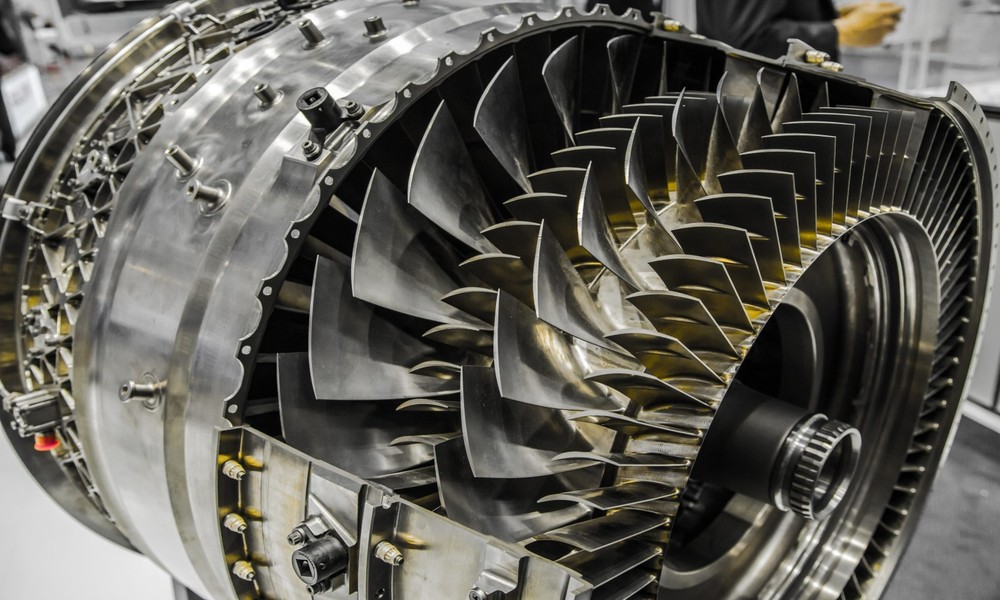

It is important to remember that gas turbine blades are becoming widely recognized for ensuring overall efficiency. These blades are more than just components; they represent the heart of modern energy systems and propulsion. It means they are playing crucial role in everything from power plants to jet engines.
The combination of functionality and design is the epitome of ingenuity combined with the need of reliable performance and efficiency, among other things. If you wish to learn more about turbine blade blending we recommend you to visit a link we shared with you.
In the following article, we will talk about different types of gas turbine blades, which will help you understand aerodynamics, material science and engineering aspects.
A Brief Guide to Turbine Blades
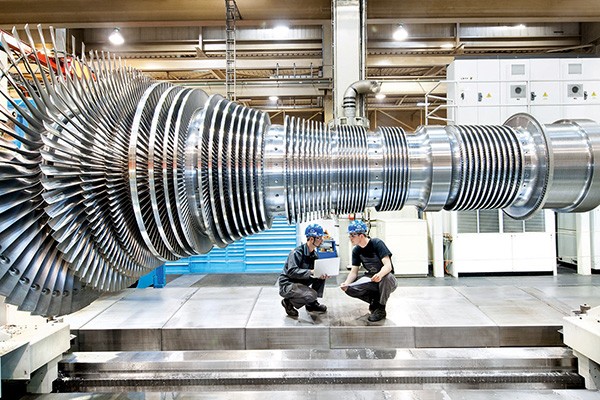
Gas turbine blades are perfect because they can withstand extreme conditions. At the same time, they can help you convert power into energy. In most cases, they come from super-alloys, meaning they are testament to modern metallurgy and aerodynamic aspects.
We can differentiate a few options regarding gas turbine options, where each option is specifically designed for effective operational requirements. Let us help you understand a few things about this particular topic.
Turbine blades are essential components in propulsion and power generation systems, meaning they can convert energy from gas, steam, or wind into mechanical power. They are specifically designed to deal with extreme operating conditions, while you can maintain optimal efficiency.
Turbines tend to rely on blades to convert and capture the thermal or kinetic energy of gas, air or steam within the rotational motion. The motion is the thing that drives generators, machinery and engines to produce thrust or energy.
Regarding power generation, turbine blades harness the energy of wind or steam to spin a rotor, which in result generates electricity in power plants. On the other hand, you can use it in aerospace in jet engines, because they can extract energy from high-pressure gas to propel the engine and aircraft with ease, especially due to lightweight appearance.
When it comes to design, they are specifically created to maximize airflow efficiency while ensuring energy capturing. Remember that turbine blades must endure high pressure and extreme force without breaking or deforming. You should click here to learn more about this particular topic.
Thermal resistance is important for steam and gas turbines, because blades operate in high-temperature environments, which requires heat-resistant materials such as ceramics or super-alloys.
Generally, wind turbines use three blades to balance expense, efficiency and structural stability. Three blades can easily reduce noise, provide smooth rotation and maximize energy capture without increasing overall weight, which is vital to remember.
Different Types of Turbine Blades
Turbine blades come in three essential types, where each one is specifically designed to meet particular operational requirement and energy conversion process. We are talking about reaction blades, impulse blades and hybrid blades. In further article, we will present you a few things about each option.
Impulse Blades
You should remember that impulse blades rely on gas jets and high-velocity steam that strike the blade’s surface, which directly transfers kinetic energy into the turbine. It means that gas or steam flow is directed through nozzles so you can create high-speed jets, which affects the blades and cause rotation.
The blade profile is straightforward. They feature minimal curvature, which allows energy transfers to depend on velocity of the gas or steam. The common applications include steam turbines in power plants and low-pressure stages within gas turbines.
Reaction Blades
Reaction blades tend to utilize the pressure difference across different surfaces with an idea to generate power. Gas or steam passes over the blade, which directly creates lift-like forces that cause rotation. The blade itself acts as reaction surface and nozzle.
It is aerodynamic and curved, meaning the blades can maximize pressure utilization, which is vital to remember. Generally, you can use it specifically in aerospace jet engines, among other places.
Hybrid Blades
You should know that hybrid blades tend to combine principles of both reaction and impulse options, which will allow you to achieve the exceptional efficiency in specific and varying conditions. Visit this link: https://www.wikihow.com/Build-a-Wind-Turbine to learn more about building wind turbine.
The leading edge functions as an impulse blade, while the trailing edge is similar as a reaction blade. Complex shapes can balance velocity and pressure energy utilization. It is use d in high-efficiency power turbines and advanced jet engines, which is vital to remember.
Final Word
If you wish to keep them in perfect shape and ensure the best course of action, we recommend you to conduct regular maintenance and find reliable service partner that will help you examine and analyze the current operation. This is especially important if you have a gas-powered turbine, which is essential for power generation.
You can reduce the expenses and potential downtime by keeping everything in shape, which is why we recommend you to deal with each step along the way.
