
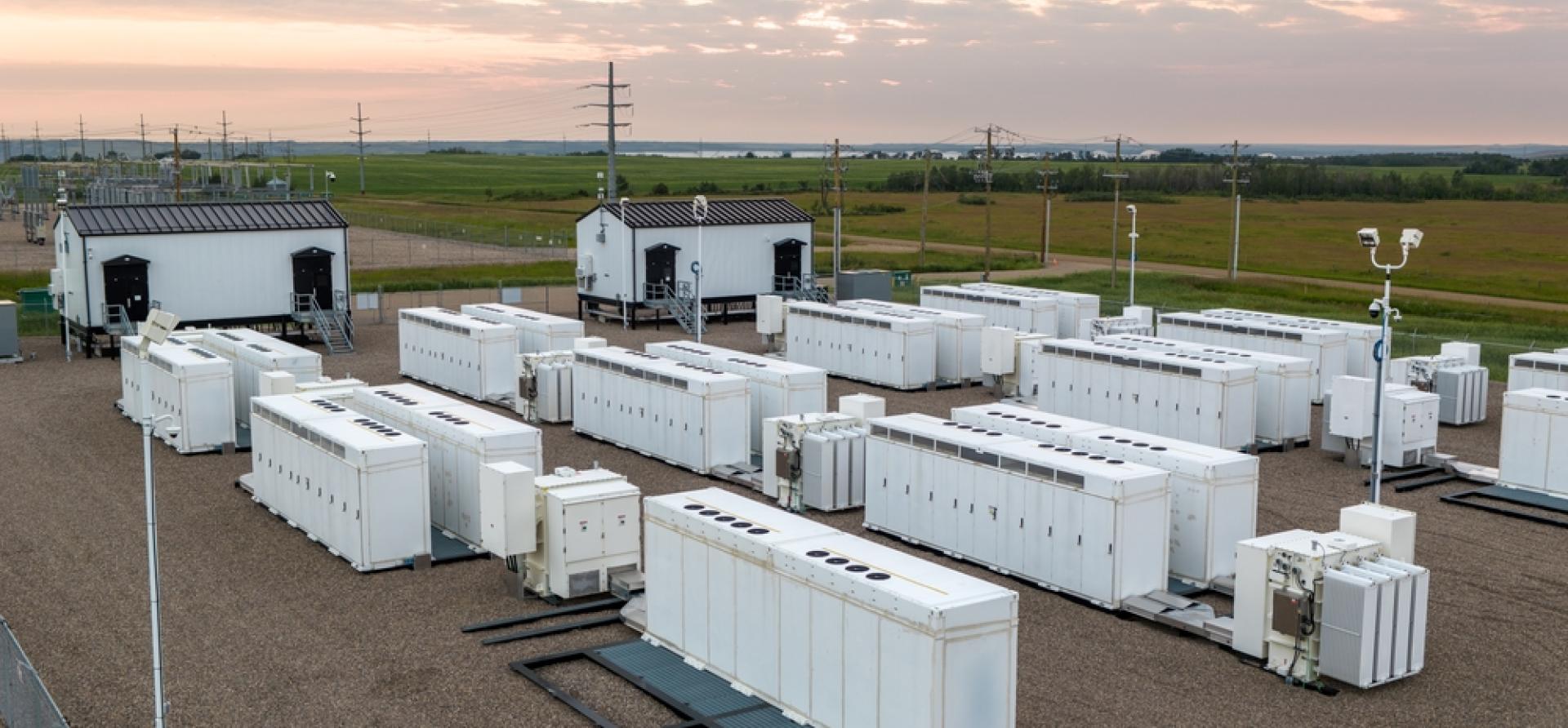

Energy management is changing as technology creates new paths for flexibility. The idea of modular battery storage enables stable power use for various applications while adapting to shifting energy demands. This approach supports the smooth integration of renewable sources, ensuring a continuous supply without disruption. Through careful design, users can optimize control and improve reliability. The concept continues to grow as industries seek smarter power use using battery energy storage system for efficient operations.
Modular Power Structure Design
A modular design allows energy units to be connected or removed easily. It supports different load requirements by letting users adjust the structure as needed. Each part works independently, which keeps operations running even if one section stops. The setup promotes easy maintenance and a steady energy flow.
Scalability For Energy Demands
Scalability ensures that the energy setup grows along with usage needs. When demand rises, more units can be added to meet higher capacity. This feature prevents overinvestment during the early stages of development. It offers flexibility to expand when resources are available.
Smart Integration Mechanisms
The combination of smart controls and sensors improves efficiency and reliability. Automatic balancing systems keep stored power evenly distributed among modules. The configuration ensures energy is used with minimal waste. It enables faster response to changing power requirements through seamless adjustment.
Efficiency Through Modular Systems
Modular configurations help reduce unnecessary power loss during energy exchange. They offer adaptable functions suitable for varied industries that depend on steady performance. The organized structure enhances the speed of charging and discharging cycles. It encourages a balance between cost savings and operational stability.
Key elements of effective energy setup include:
• Each unit supports consistent output under various load levels
• System upgrades can occur without disturbing running modules
• Layout design reduces excess heat inside connected components
• Smart sensors assist in managing charge distribution efficiently
• Fault detection responds instantly to maintain power stability
Enhanced Control Management
Energy control systems allow real-time adjustments for better flow management. Data monitoring assists users in identifying patterns of energy use. The network of modules communicates internally to regulate power levels safely. The battery energy storage system functions as a core to manage stability effectively.
Main control management advantages are:
• Real-time observation enables precise response to energy changes
• Predictive alerts notify before any imbalance affects performance
• Independent circuits ensure uninterrupted operation during repairs
• Continuous updates help refine efficiency without major changes
• Adaptive design supports different types of electrical frameworks
Reliability With Modular Units
Reliability improves when each module operates separately within the network. Even when a section fails, the remaining parts continue supplying power. This segmented structure reduces downtime and promotes uninterrupted performance. It ensures consistent support for systems that depend on constant energy flow.
Upcoming Ready Energy Flexibility
This method offers room for revolution and up gradation as needs evolve. Each flexible unit can be changed or enhanced without reshaping the whole system. The flexible nature makes it suitable for both minor and large systems. It aids lasting control with slight involvement required.
Energy flexibility depends on systems that adapt quickly and operate efficiently. With proper balance between modular design and efficient control, users can secure steady performance and cost savings. Such configurations help maintain smooth energy use through adaptable frameworks that grow with future demands.
FAQs
How does modular design improve power efficiency?
It divides storage into small units, ensuring a consistent and steady flow.
What are the benefits of a modular battery configuration?
It gives flexibility, reduces faults, and supports scalable energy expansion easily.
Why is control important in energy management?
Control allows balance, quick response, and better energy optimization during use.